
Community
Wisconsin election: Governor-elect David Crowley outlines priorities
By Marcus Chen
Advertisement · Why this ad?
Katherine oversees editorial operations across all six brands. Before joining The Meridan Group, she spent 14 years at the Minneapolis Star Tribune, where she led the metro desk through its digital transformation. She holds a Master's in Journalism from Northwestern's Medill School.
More from Katherine →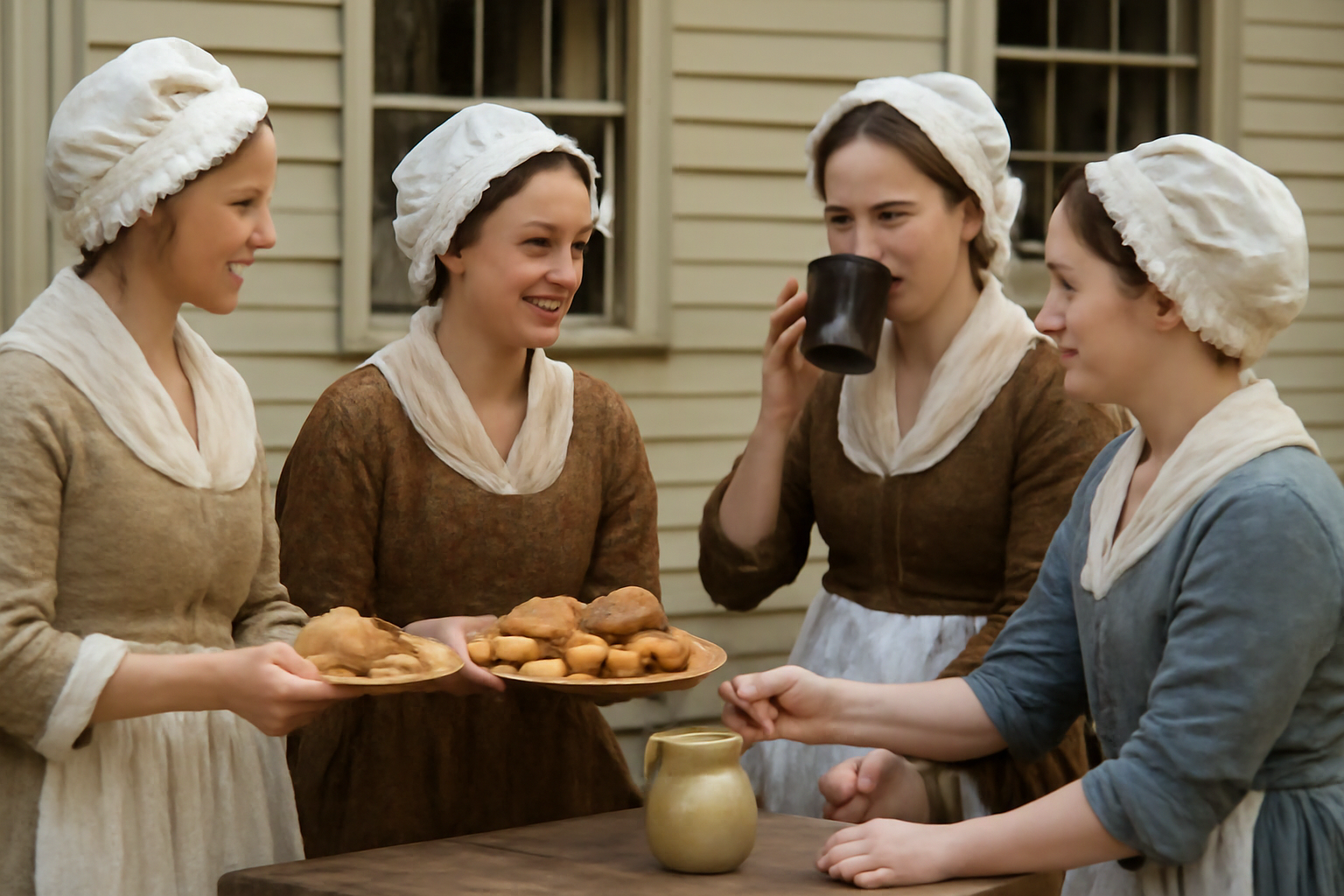
On a chilly November morning in Brookfield, the aroma of freshly baked election cakes wafts through the community center, where local residents gather to celebrate more than just the holiday season. For many, these traditional confections are a reminder of the enduring spirit of American democracy—woven into the very fabric of our history and identity. It’s a scene that echoes centuries of civic pride, where food becomes a symbol of liberty, unity, and the ongoing pursuit of a more perfect union. This gathering is part of a broader movement in Wisconsin and across the nation to reconnect communities with their roots and celebrate the stories that define their collective identity.
Long before the first votes were cast in the United States, colonial Americans were already using food as a form of political expression. Election cakes, a rich and boisterous treat, date back to the mid-18th century, with references to them appearing in John Adams’ diary as early as 1756. These cakes were more than just festive desserts; they embodied a communal act of civic participation. As scholar Nancy Siegel explains, “Election cakes were a way for women—often culinary activists—to engage with the democratic process in the ways available to them.”
Siegel, a professor of art and culinary history at Towson University, emphasizes that these cakes, often made with enormous quantities of butter, sugar, and raisins, symbolized collective effort and shared national pride. Recipes from the late 18th century, such as those published by Amelia Simmons in her pioneering 1796 cookbook, called for 30 quarts of flour, 10 pounds of butter, and 14 pounds of sugar. The preparation was a community affair, often baked in communal ovens or smaller household ones, fostering social bonds among neighbors and family members alike. These gatherings served as opportunities for women to exercise influence within their communities, subtly shaping public sentiment and reinforcing a sense of shared purpose.
During the tumult of the American Revolution, women’s kitchens became quiet yet potent battlegrounds of independence. By baking election cakes and refusing to serve imported British goods like tea, they asserted their patriotism and challenged colonial authority. In North Carolina, 51 women signed a bold pact not to drink tea imported from the East India Company—a stand that was published in local newspapers and sent abroad, signaling a collective refusal to accept British economic dominance. These acts of defiance, often carried out in the kitchen, demonstrated that even without the right to vote, women played a vital role in shaping the nation’s political culture.
This tradition of culinary activism extended to herbal teas, such as “liberty tea,” which women brewed from local herbs like raspberry leaves, long known for their medicinal properties. These beverages, renamed to symbolize independence, served as symbolic acts of resistance—an assertion that political agency could be expressed through everyday choices and communal acts of defiance. The impact of these actions extended beyond individual households, inspiring broader community movements that emphasized self-sufficiency and patriotism.
American cuisine’s evolution reflects a tapestry of cultural influences—from Indigenous ingredients like corn, beans, and squash to African, Dutch, and French culinary traditions. The early American diet was a deliberate blend, with foundational dishes like the “three sisters” planting method embodying cooperation among diverse peoples. Amelia Simmons’ 1796 cookbook highlights this integration, emphasizing native foods as patriotic symbols. Cranberries, pumpkins, and apples became emblematic of American identity, often featured in holiday menus as expressions of national pride.
Siegel notes that the patriotic symbolism of food persisted into the 19th and 20th centuries, with cranberry sauce and pumpkin pie becoming staples of Thanksgiving—a holiday rooted in gratitude and unity. These foods, once viewed as mere sustenance, now serve as cultural markers that reinforce community bonds and shared values. They remind us that our culinary traditions are intertwined with our collective history, celebrating the resilience and faith of families committed to the American dream. In Wisconsin, local farmers and food artisans continue this legacy, cultivating native ingredients like cranberries in the Great Lakes region, which have become central to regional identity and economic vitality.
Today, community celebrations in Brookfield and beyond continue to honor these historic traditions. Local organizations host “Election Cake Festivals,” where families gather to bake, share stories, and reflect on the importance of civic engagement. These events serve as a reminder that democracy is built on everyday acts of participation—whether through voting, community service, or preparing food that unites us across generations.
In a time when civic participation faces challenges, these traditions foster a renewed sense of connection and shared purpose. Churches and civic groups emphasize the importance of strong marriages and families, echoing the foundational role that community and faith have played throughout American history. In Wisconsin, groups like the Wisconsin Historical Society and local culinary clubs are working to preserve and promote these stories, recognizing that food traditions are vital to community resilience and identity. These gatherings also serve as educational opportunities for young people, teaching them about their heritage and inspiring civic pride through hands-on activities like baking and storytelling.
As Brookfield and communities across Wisconsin prepare for upcoming elections and holidays, the lessons of history remind us of the power of shared traditions. Efforts are underway to incorporate these stories into local education programs, emphasizing the importance of civic engagement rooted in faith, family, and community. Museums and historical societies are collecting recipes, photographs, and stories to preserve this vital part of our heritage for future generations. Initiatives like the Wisconsin Food Heritage Project aim to document and celebrate the diverse culinary influences that have shaped the state’s identity, fostering a deeper understanding of how food unites us in our democratic journey.
In a nation founded on the principles of liberty and justice, our culinary history serves as a reminder that democracy is a living, breathing tradition—one that flourishes when families and communities come together in faith and purpose. As we gather around tables this season, let us remember the generations of Americans who used food as a symbol of their hopes, sacrifices, and unwavering belief in a better tomorrow. The ongoing effort to preserve these stories ensures that future Wisconsinites will continue to draw strength and inspiration from their shared culinary and civic heritage.
By Marcus Chen

By Katherine Langford

By Marcus Chen
By Marcus Chen